Glass Bridge at Davis Fall
High-tolerance structural engineering and transparent landmark architecture in Pokhara
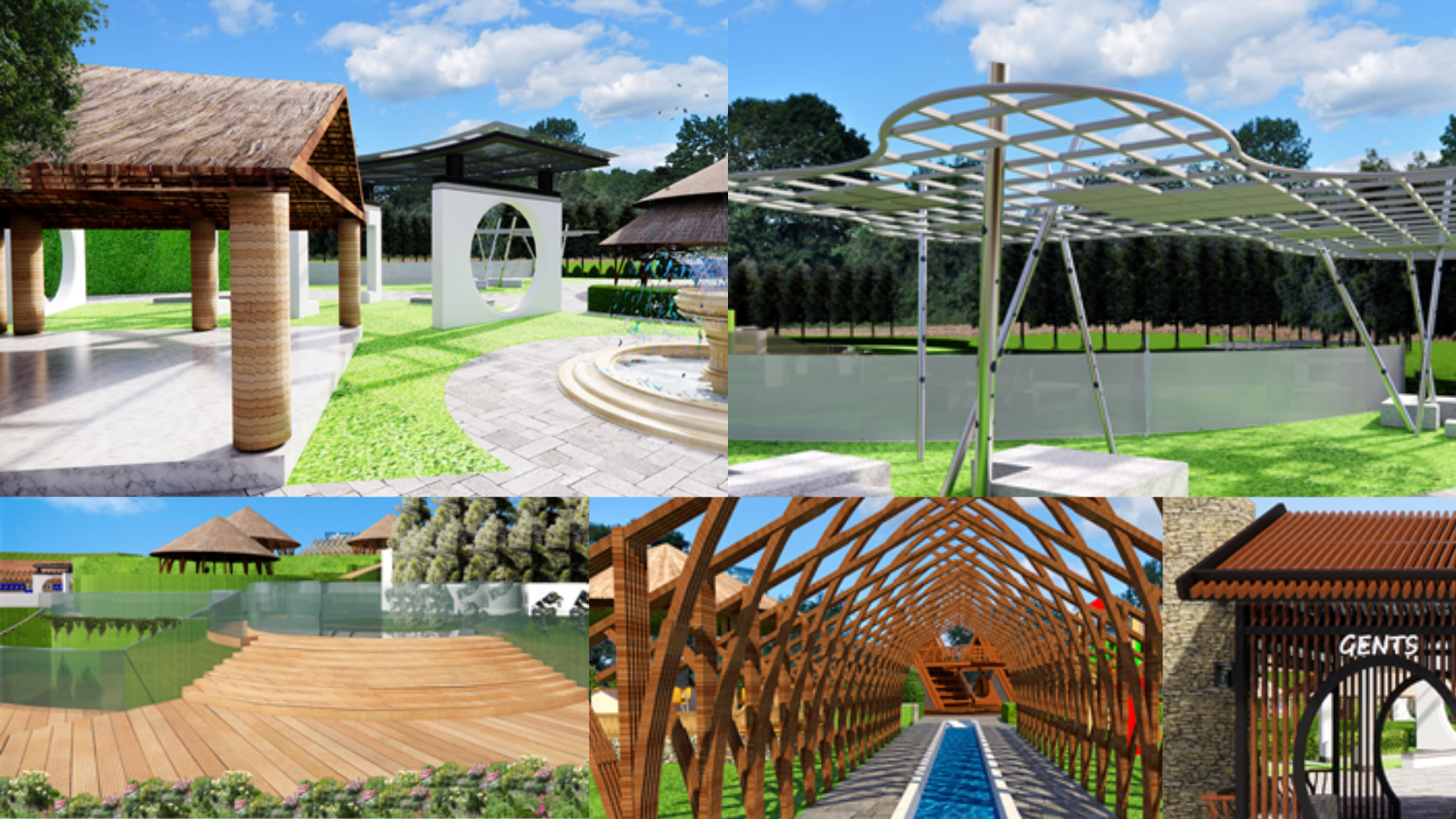
Transparent structural walkway suspended over the geological gorge at Davis Fall Photo: D Sketchbook Archive
The Glass Bridge at Davis Fall in Pokhara represents a daring synthesis of structural engineering precision and experiential architecture. Spanning above one of Nepal’s most visited geological waterfalls, D Sketchbook's engineering and architectural solution offers an exhilarating, safe vantage point celebrating Pokhara’s dramatic topography.
Project Overview
Davis Fall (Patale Chhango) in Pokhara is famous for its unique subterranean waterfall where the Pardi Khola river plunges into a subterranean cavern.
To give visitors an unmatched perspective on this geological marvel, D Sketchbook was commissioned to develop the architectural and structural engineering design for a landmark transparent glass bridge.
Engineering Challenges & Precision
Engineering a glass walkway over a volatile water gorge presented singular technical challenges:
- Seismic Dynamic Loadings: Pokhara lies in an active seismic belt. The bridge support frame incorporates flexible elastomeric bearing pads and expansion dampers that absorb ground accelerations without transferring stress to the glass panels.
- Multi-Ply Glazing Integrity: The deck panels consist of triple-layered 12mm low-iron tempered glass sheets bonded with high-tear-strength SentryGlas (SGP) interlayers. Even in the theoretical failure of two plies, the remaining structure maintains full pedestrian carrying capacity.
- Rock Anchor Geology: Anchors were grouted deep into sound limestone bedrock to prevent any degradation from continuous moisture and spray generated by the falls below.
Experiential Design
The walkway was stripped of visual clutter. Thin, tensioned stainless steel cables and handrails disappear from view, giving pedestrians the unforgettable sensation of walking directly on air above the plunging waters.
Architectural Concept
Minimalist stainless steel balustrades with concealed LED illumination to ensure uninterrupted 360-degree sightlines down into the gorge and across the Annapurna mountain backdrop.
Engineering & Technical Strategy
Full static and dynamic harmonic vibration analysis, redundant fail-safe load distribution paths, and rigorous seismic shock dampening joints.
Climate & Sustainability Response
Minimal physical footing footprint to preserve fragile gorge rock strata and surrounding indigenous flora.
Project Outcome
An iconic tourist destination that elevated Pokhara's adventure infrastructure while setting new standards for structural transparency and visitor safety.
Design & Engineering Team
- Principal Structural Engineer — [CONFIRM: Lead Engineer]
- Architectural Designer — [CONFIRM: Team Member]
Project Collaborators
- Davis Fall Management Committee
- D Sketchbook Engineering & Technical Division
Have a project in mind?
Connect with our architectural and engineering studio in Kathmandu to explore how we can bring rigorous design and contextual craftsmanship to your commission.